
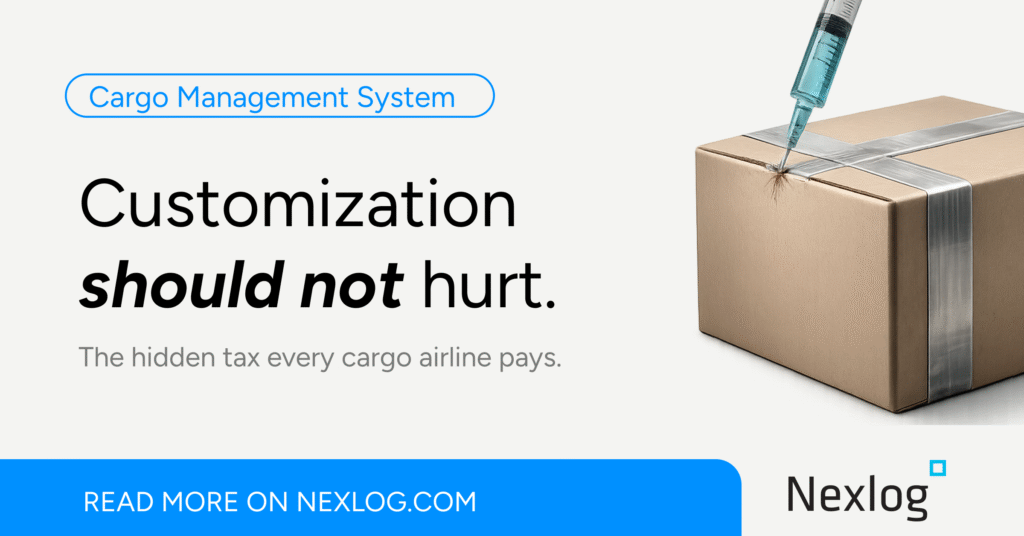
Every cargo airline knows the feeling. A business team needs a change — a pricing rule, a new document field, a partner integration. The request seems simple. Four months later, it’s live.
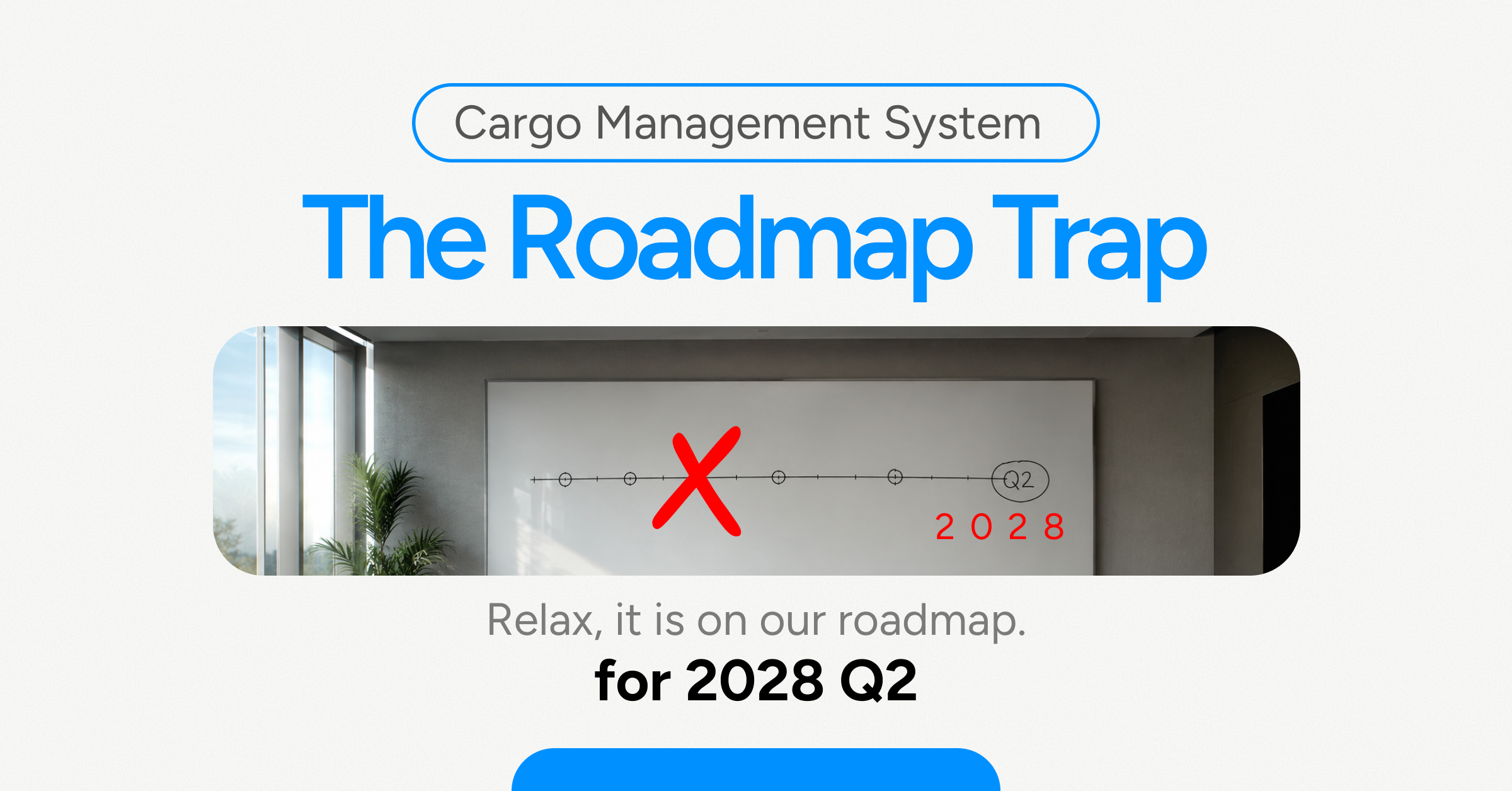
What happened in between? Meetings. Requirements gathering. Development cycles. Testing. Waiting for the next release window.
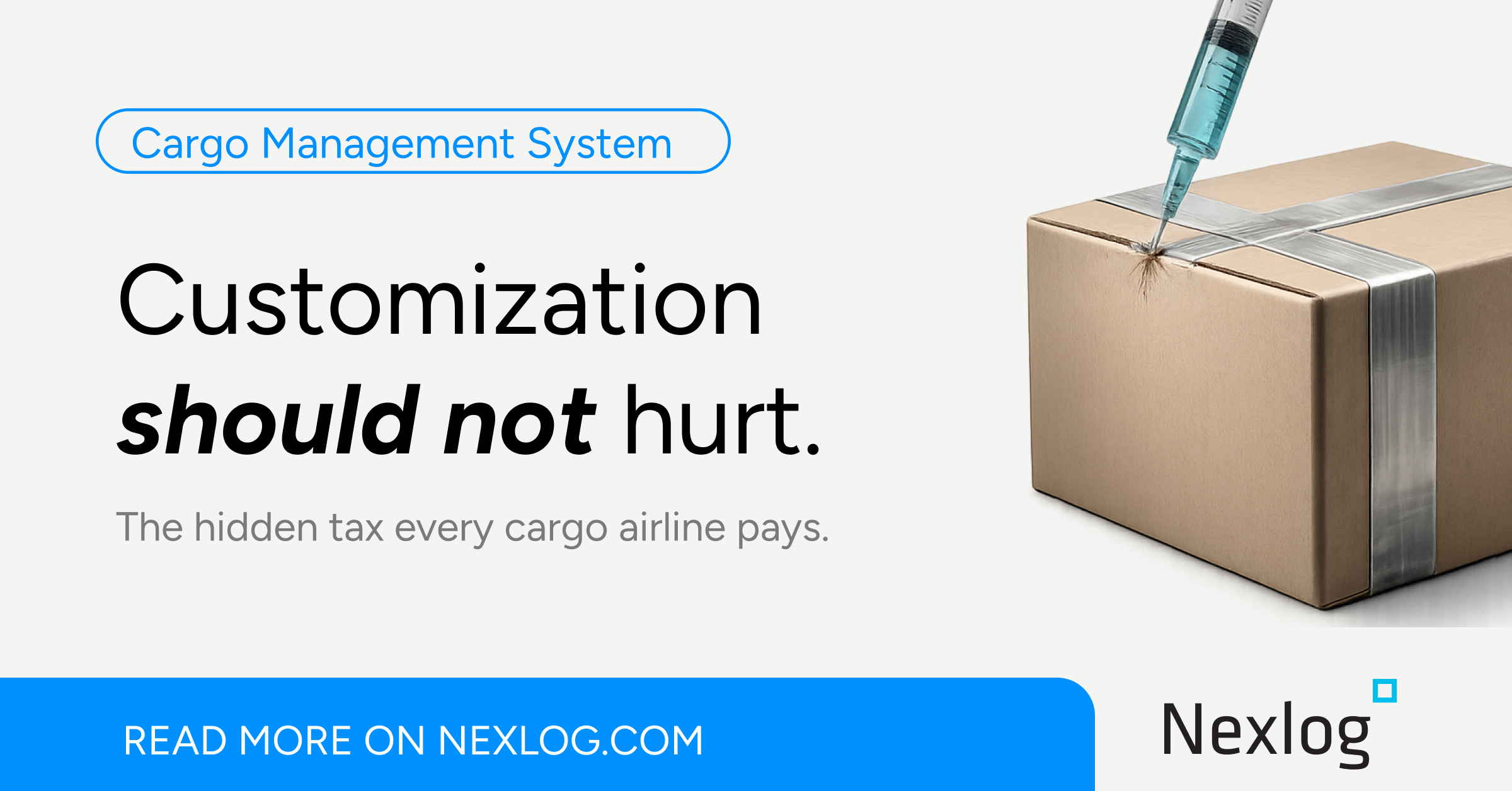
The invoice said $15,000. The real cost was three times that. This is the hidden tax of cargo system customization.
Why it stays hidden
The quoted cost of a change is never the full cost. What vendors charge is the development work. What it actually costs includes:
- The weeks or months waiting for a release window
- Internal hours of business and IT teams coordinating requirements
- The opportunity cost of business that moved slower than it should
- The trust erosion between IT and business units who feel like they’re always on hold
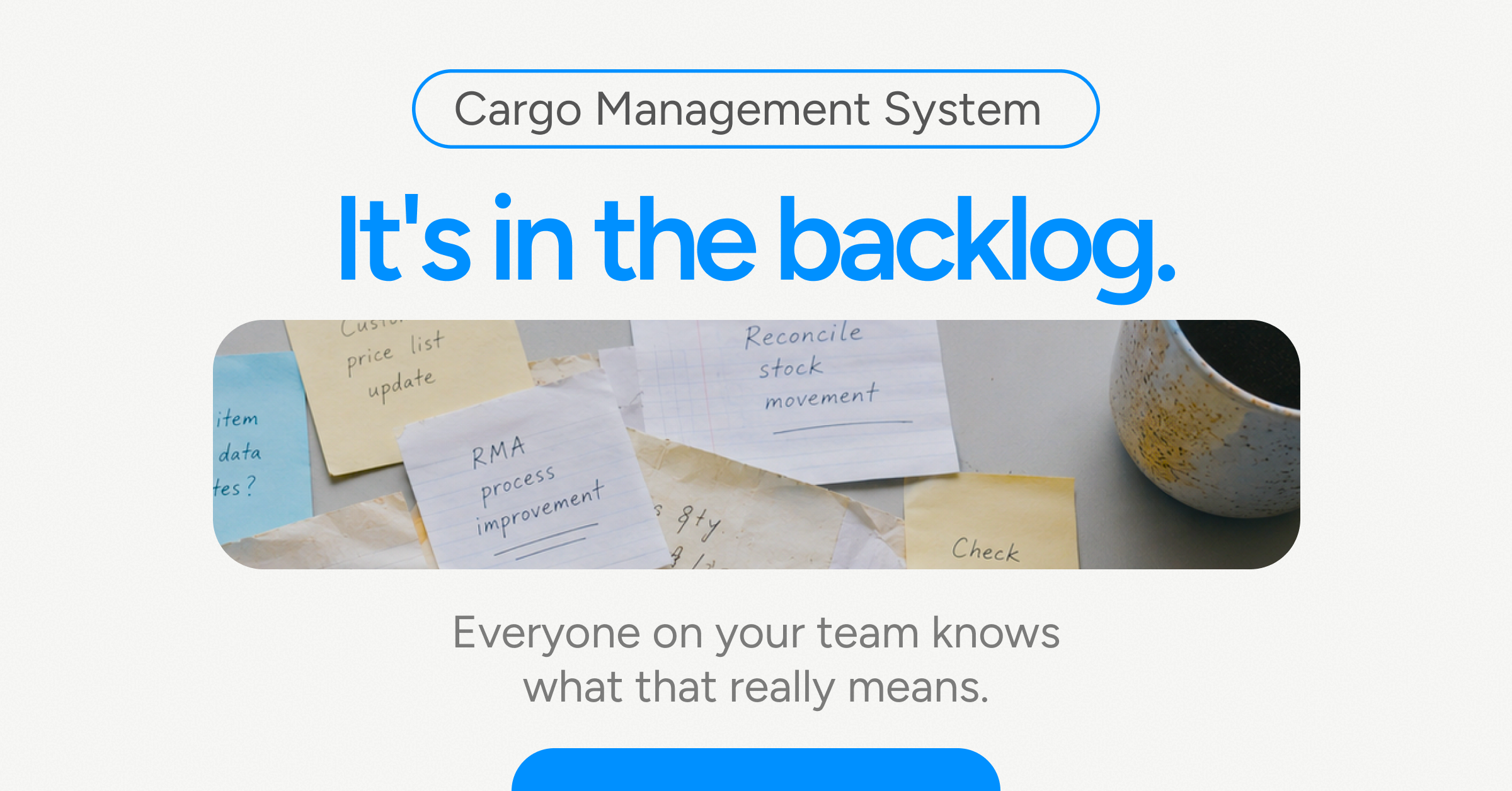
- Workarounds piling up in spreadsheets while the real solution waits in backlog
None of these appear on an invoice. All of them show up in the business.
The question nobody asks
When a $15,000 change costs $45,000 to land in production, the instinct is: “Can we get a better rate from the vendor?”
The right question is: “Why does it cost $45,000 at all?”
Negotiating vendor rates is a procurement problem. Rethinking why change is expensive is an architecture problem. These two problems have very different solutions.
The cost of not customizing
Every backlog has a graveyard — requests that came in, waited, and eventually got closed not because they were resolved, but because the business found another way.
This is the hidden tax in its most expensive form: not the cost of changes made, but the cost of decisions constrained by what the system allows.
What an alternative looks like
Not every cargo system works this way. Business logic baked into the platform layer visible only to developers, changeable only through code is a specific architectural bet. The opposite bet exists too: business logic in a configuration layer that business analysts can reach without opening a terminal.
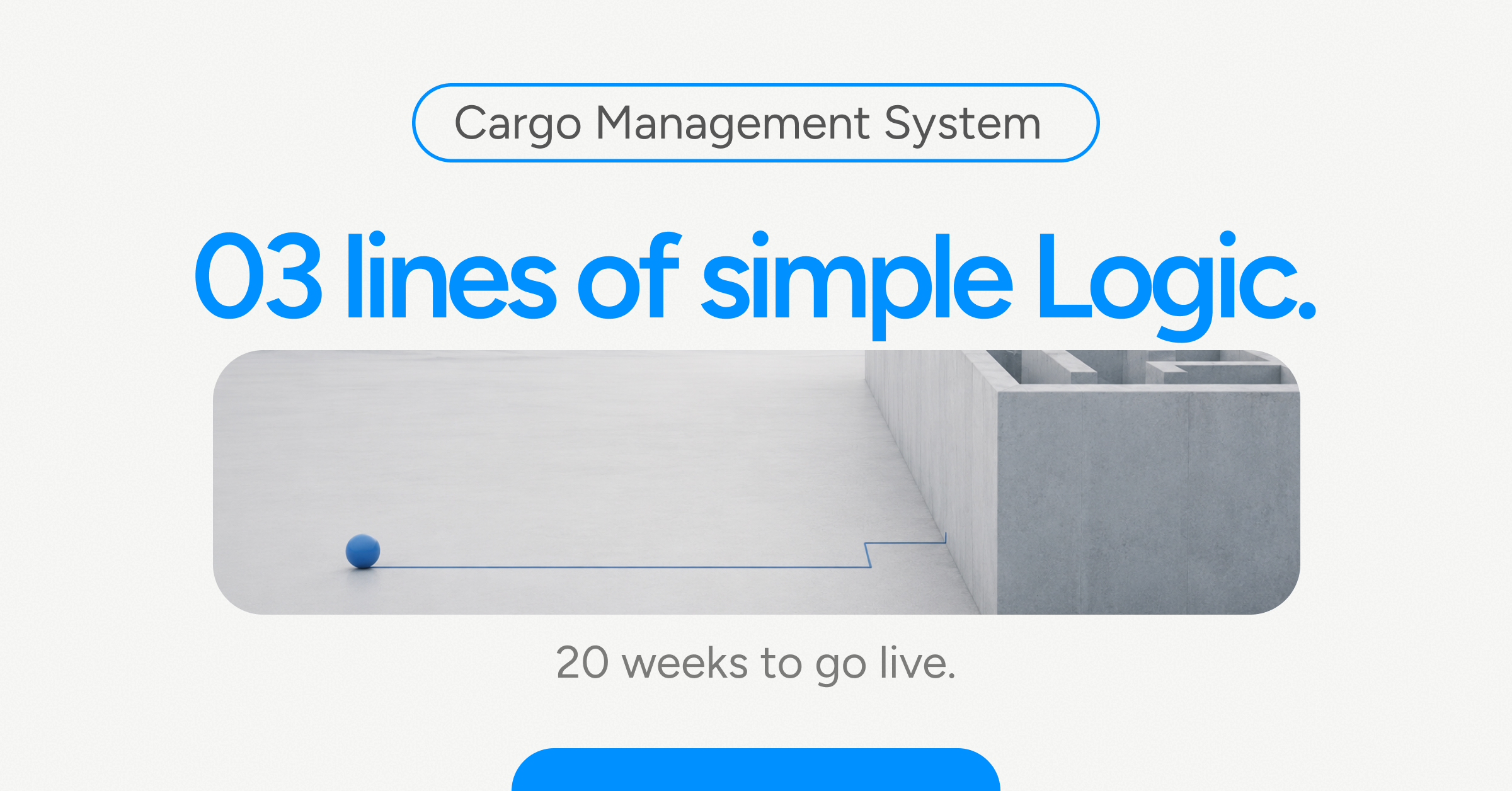
When that bet is made correctly, a pricing rule is a configuration, not a project. A document field is a toggle, not a ticket.
Your own diagnostic
Pick three business changes requested in the last 24 months. For each one, calculate the actual cost vendor fees plus internal hours plus time-to-live plus opportunity cost.
Then ask: is this what we’d expect if the system were designed to change?







 English
  Portuguese
  French
  Spanish